
Shea butter for hair can soften, smooth, and protect strands. Makers press it from the nuts of the shea tree, which grows in West Africa. People have used it for centuries on skin and hair. Today, many hair products include it as a key ingredient.
This guide explains what shea butter is, how it helps hair, and how to use it well. Also, it covers who should try it first, and what to avoid.
What Is Shea Butter?
Shea butter is a thick, creamy fat that comes from shea nuts. Makers crush the nuts, roast them, and press out the butter. The result feels rich and smooth, and it melts with body heat. Pure shea butter has a pale yellow or ivory colour, and a mild, nutty smell.
Shea butter contains fatty acids, which help it coat and soften hair. It also contains vitamins A and E, which support healthy skin and hair. For that reason, many people call it a natural moisturiser. You can read a reference overview of shea butter for more detail on its source and its uses.

Benefits of Shea Butter for Hair
First, shea butter adds moisture. Dry hair can feel rough and look dull, and shea butter coats each strand with a soft layer. As a result, hair feels smoother and looks shinier. In addition, it can reduce frizz, because it seals in moisture and smooths the hair surface.
Second, shea butter can protect hair from damage. It forms a light barrier against wind, sun, and dry air. However, it does not replace heat protection, so use a heat product too if you style with heat. Third, it can soothe a dry scalp, because it adds moisture to the skin. Finally, it can help detangle hair, because it makes strands slip past each other more easily.
Moisture and Softness
For dry or curly hair, moisture matters most. Shea butter works well here, because it is rich and long-lasting. A small amount can soften ends, while a larger amount can treat the whole length. Start small, then add more if you need it.
Frizz and Shine
Frizz often comes from dryness and rough hair surfaces. Shea butter smooths the surface, so light reflects more evenly. That gives hair a softer shine. Use only a little on fine hair, because too much can weigh it down.
Who Should Use Shea Butter?
People with dry, curly, coily, or damaged hair often get the most from shea butter. Their hair needs extra moisture, and shea butter supplies it. People with thick hair also find it useful, because it can tame volume and add control.
People with fine or oily hair should use it with care. A tiny amount on the ends can help, but a large amount near the roots can make hair look greasy. If your hair is fine, try it first as a mask, then rinse it out well.
How to Use Shea Butter for Hair
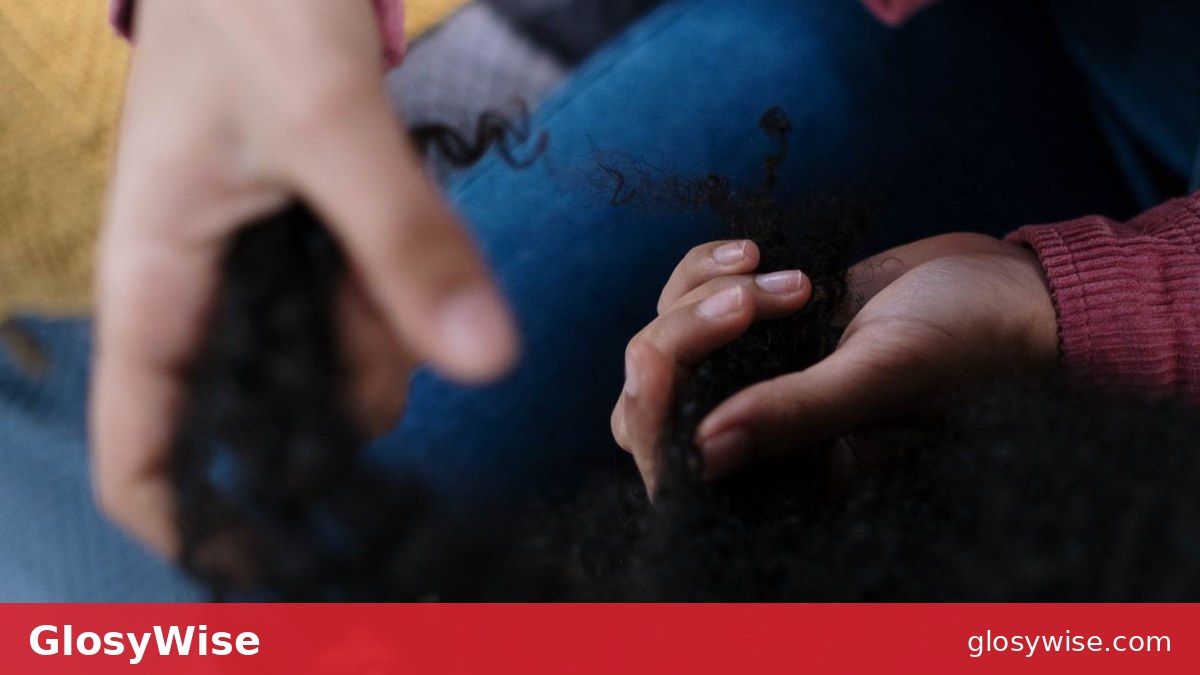
Start with a pea-sized amount. Rub it between your palms until it melts. Then smooth it over damp hair, from the middle to the ends. Avoid the roots at first, unless your scalp feels very dry. Comb it through with a wide-tooth comb, and style as usual.
For a deep treatment, use more butter and leave it on for 30 minutes, or overnight, with a shower cap. Then wash it out with shampoo. For a leave-in, use a very small amount on dry ends. Always patch test a new product first, and stop using it if your skin reacts.
Shea Butter vs Coconut Oil
Both shea butter and coconut oil can moisturise hair, but they feel different. Shea butter feels thicker and richer, and it stays on the hair longer. Coconut oil feels lighter and sinks in faster. Some people find coconut oil makes their hair feel stiff, while shea butter feels softer. Try each one on a small section first, and see which your hair likes best.
How to Choose Good Shea Butter
Look for pure, unrefined shea butter when you can. It should feel smooth, smell mild, and melt easily in your hands. Avoid products with a long list of added scents or fillers, unless you know they suit your hair. Check the label for the word shea butter near the top of the ingredient list. For more simple routines, see our guide to a simple 3-step skincare routine for beginners, and for a fuller routine, see our Korean skincare routine for beginners.
Common Mistakes to Avoid
The most common mistake is to use too much. Shea butter is rich, so a little goes a long way. Too much can leave hair heavy, greasy, and hard to style. Another mistake is to put it on dirty hair, because it can trap dirt and product. Wash your hair first, then apply it. A third mistake is to skip a patch test, which can lead to a skin reaction.
Conclusion
Shea butter for hair can add moisture, reduce frizz, and protect strands from dry air. Makers press it from shea nuts, and it contains fatty acids and vitamins A and E. It works best for dry, curly, coily, or damaged hair, and it needs a light touch on fine hair. Start with a small amount, smooth it over damp hair, and rinse it out if you use it as a mask. With the right amount and care, shea butter can leave hair softer, smoother, and easier to manage.
Frequently Asked Questions
Is shea butter good for hair?
Yes, shea butter is good for many hair types. It adds moisture, softens strands, and can reduce frizz, especially on dry or curly hair.
Can I leave shea butter in my hair?
Yes, you can leave a small amount in your hair as a leave-in. Use only a little on the ends, and wash it out if your hair starts to feel heavy.
Does shea butter help hair grow?
Shea butter does not make hair grow faster on its own. It can help hair look healthier by adding moisture and reducing breakage, which can help you keep length.
Can shea butter damage hair?
Shea butter is unlikely to damage hair when you use a small amount. Too much can weigh hair down, and some people may react to it, so patch test it first.
Note: This article is for general information only and does not replace professional advice. Always check care labels and product instructions before use.

Leave a Reply