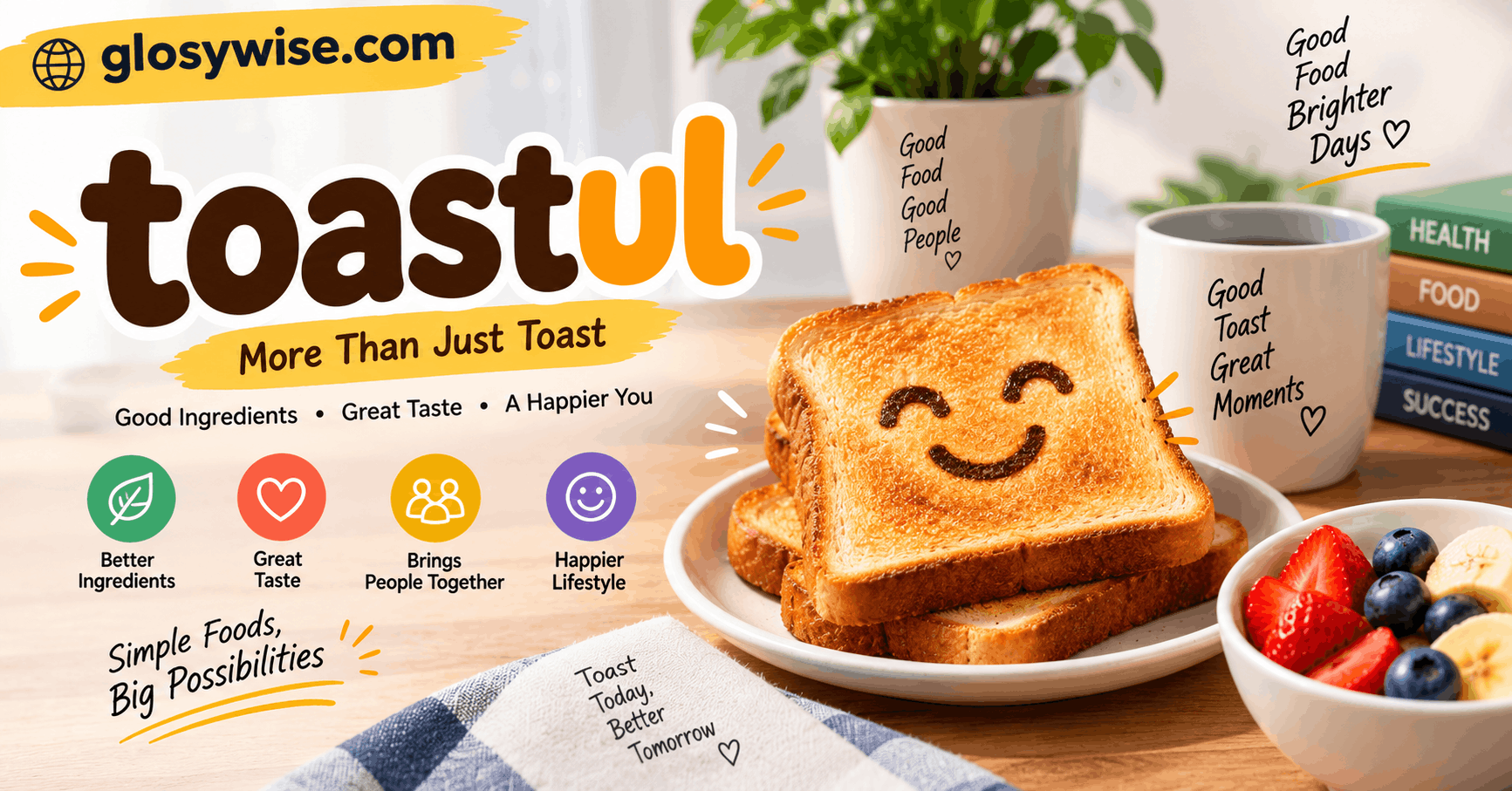
What Is Toastul? The Toast Trend Taking Over
Bread and a toaster used to be the whole story. Then “toastul” showed up online, and suddenly a simple breakfast staple turned into a full-blown creative trend. If you’ve seen the word floating around food blogs, Instagram reels, or search results and wondered what it actually means, this guide breaks it down from every angle — origin, meaning, how to make it, and why it’s spreading so fast.
What Is Toastul?
At its core, toastul refers to an elevated, intentionally styled version of toast — a slice of bread transformed into a complete, visually appealing mini-meal through carefully chosen toppings, textures, and colors. Instead of a quick smear of butter, toastul treats the humble slice as a canvas: layered with spreads, proteins, fruits, or vegetables to create something that looks and tastes like a café-style dish.
The word blends the familiar root “toast” with a modern, brandable suffix, giving it a name that feels both approachable and fresh — one reason it has caught on so quickly in food communities.
Where Did the Word Come From?
Interestingly, “toastul” isn’t a brand-new invention out of nowhere. In Romanian, adding “-ul” to a noun creates the definite article, so “toast” naturally becomes “toastul,” meaning “the toast.” Online, however, English-speaking food creators adopted the same spelling to describe a distinct culinary style, giving the word a second, separate life as a trend name rather than a grammatical form.
Why Toastul Is Trending Right Now
A few forces have pushed toastul from a niche idea into a recognizable food trend:
- Visual appeal — a well-built slice photographs beautifully, making it a natural fit for Instagram and TikTok.
- Customizability — sweet, savory, vegan, or gluten-free, there’s a version for nearly every diet.
- Convenience — it takes minutes to prepare but feels like a proper meal.
- Health consciousness — people are looking for balanced, nutrient-dense breakfasts rather than empty-calorie options.
- Café culture influence — brunch spots have normalized “designed” toast, and home cooks are recreating that experience.
Toastul vs. Regular Toast — What’s the Difference?
The comparison below highlights how toastul differs from a standard slice of buttered toast.
| Aspect | Regular Toast | Toastul |
| Preparation | Quick, minimal effort | Intentional, layered |
| Toppings | One or two basics (butter, jam) | Multiple complementary layers |
| Presentation | Functional | Restaurant-style, visually arranged |
| Purpose | Quick snack | Standalone meal |
| Nutrition focus | Rarely considered | Often built around balanced macros |
| Social media appeal | Low | High |
Core Elements of a Good Toastul
The Bread Base
Sturdy, slightly dense bread holds toppings better than soft sandwich bread. Sourdough, whole grain, rye, and multigrain are common choices because they add flavor and structural support.
The Spread
A spread layer — think hummus, avocado mash, nut butter, or ricotta — acts as the “glue” that keeps toppings in place while adding creaminess.
The Protein or Main Topping
Eggs, smoked salmon, grilled chicken, or beans give the toastul enough substance to function as a real meal rather than a snack.
Texture and Color
Fresh herbs, seeds, sliced fruit, or microgreens are added last, both for crunch and for the vibrant look that makes toastul so shareable online.
Simple Toastul Ideas to Try at Home
- Savory: Sourdough + avocado mash + poached egg + chili flakes
- Sweet: Whole grain toast + almond butter + banana slices + honey drizzle
- Protein-packed: Rye toast + hummus + grilled chicken + cucumber ribbons
- Vegan: Multigrain toast + mashed avocado + cherry tomatoes + hemp seeds
Health Benefits of Building Your Own Toastul
Because you control every layer, toastul can be adjusted to fit almost any dietary goal — higher protein, lower carb, dairy-free, or nutrient-dense. Combining complex carbs from whole-grain bread with healthy fats and protein toppings can help create a more balanced, satisfying meal compared to plain toast alone.
Toastul in Digital and Branding Culture
Beyond the kitchen, “toastul” has also picked up traction as a flexible, brandable term in online spaces — used loosely by some marketers and content creators as shorthand for anything modern, creative, or community-driven. This dual life (a real food trend plus an internet buzzword) is part of why searches for the term have grown, even though its core, most consistent meaning remains tied to the elevated-toast food movement.
Common Mistakes to Avoid When Making Toastul
- Overloading the bread until it can’t hold its shape
- Skipping the spread layer, which leaves toppings sliding off
- Using bread that’s too soft or thin for heavier toppings
- Ignoring balance — too much sweetness or too much salt without contrast
Frequently Asked Questions About Toastul
Is toastul a specific dish or a general style?
It’s more of a style or approach than one fixed recipe — any toast built with intentional layers and presentation can be called toastul.
Does toastul mean something different in other languages?
Yes. In Romanian, “toastul” simply means “the toast” (as in a speech or a drink toast), separate from the English food-trend usage.
Is toastul healthy?
It can be, depending on the toppings chosen. Using whole-grain bread, lean proteins, and fresh produce makes it a nutritious option.
Can toastul be made vegan or gluten-free?
Absolutely — swap in plant-based spreads and gluten-free bread while keeping the same layering approach.
Why is toastul popular on social media?
Its colorful, layered presentation makes it naturally photogenic, which fits well with visual platforms like Instagram and TikTok.
Final Thoughts
Toastul shows how a simple food — and a simple word — can evolve once creativity, culture, and social media get involved. Whether you approach it as a quick, balanced breakfast or a mini creative project, the core idea stays the same: turn an ordinary slice of bread into something worth paying attention to. The next time you reach for toast, consider building it into a toastul instead — one thoughtful layer at a time.