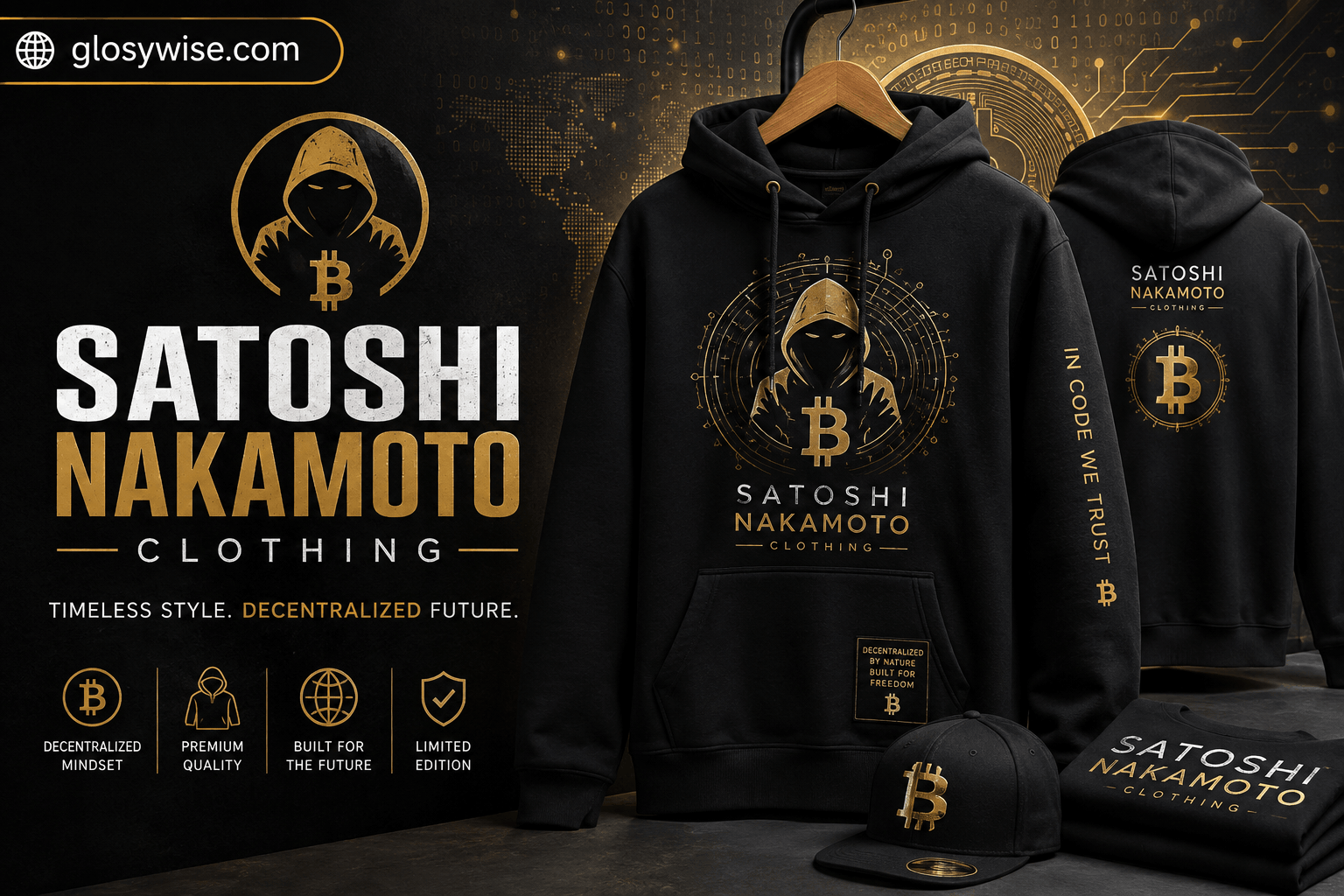
Satoshi Nakamoto Clothing The Ultimate Crypto Inspired Streetwear Brand
Streetwear has always borrowed its energy from subculture — skateboarding, hip-hop, punk, gaming. In the last few years, a new subculture has entered the mix: crypto. And no label captures that shift more directly than Satoshi Nakamoto Clothing. This Los Angeles-based luxury streetwear house took its name from the pseudonymous creator of Bitcoin and turned it into one of the most talked-about brands in contemporary fashion.
This article breaks down what the brand is, where it came from, what makes its designs distinctive, who wears it, how much it costs, and why it has become a genuine cultural reference point rather than just another hype label riding a trend. Whether you’re a streetwear collector, a crypto enthusiast curious about the crossover, or simply someone who keeps seeing the name pop up on Instagram and resale sites, this guide covers everything you need to know.
What Is Satoshi Nakamoto Clothing?
Satoshi Nakamoto Clothing is a luxury streetwear brand based in Los Angeles. It draws its identity from an unusual — and very online — origin point: the mysterious figure (or group) credited with inventing Bitcoin, who has never been publicly identified. That mystery is the brand’s founding metaphor. Just as no one knows who Satoshi Nakamoto really is, the label itself leans into anonymity, secrecy, and a rebellious “hacker” aesthetic rather than positioning itself around a single celebrity designer or a loud personal brand.
In its own press materials, the label has described itself simply as a luxury streetwear brand built to embody the way of life of a rogue, rebellious, and uncontrolled hacker. That description matters because it explains almost everything else about the brand: the distressed finishes, the moto-inspired silhouettes, the coding-adjacent graphics, and the general sense that these are clothes designed for people who see themselves as outsiders to the mainstream fashion system — even while the price tags place them firmly inside luxury territory.
The brand pulls visual inspiration from vintage Moto Americana style — think classic biker jackets, distressed denim, and utilitarian workwear — filtered through a modern, tech-culture lens. The result is a wardrobe that feels equal parts vintage garage sale and digital underground.
The Origin Story: Why Name a Clothing Brand After Bitcoin’s Creator?
Names matter in fashion, and few names carry as much built-in mystique as “Satoshi Nakamoto.” Bitcoin’s creator published the cryptocurrency’s foundational white paper in 2008, then quietly disappeared from public life a few years later, leaving behind one of the internet’s most enduring mysteries. Nobody knows if Satoshi Nakamoto is one person, a small team, male, female, still alive, or even still involved in crypto at all.
That blank slate is exactly what the clothing brand capitalizes on. By adopting the name, the label positions itself as a commentary on how digital technology has reshaped the way we think about identity, value, ownership, and community. A hoodie or a graphic tee becomes more than a garment — it becomes a small piece of cultural commentary on the shift from physical to digital value systems, wrapped in a genuinely wearable, collector-driven product.
This is a smart branding move on two levels. First, it borrows instant recognition from one of the 21st century’s most famous names without ever having to explain who that person is. Second, it lets the brand stay mysterious itself — there’s no single face of Satoshi Nakamoto Clothing, no founder doing press tours, which reinforces the “anonymous creator” theme at every level of the business.
Design Philosophy and Aesthetic
Several recurring elements define the Satoshi Nakamoto look:
- Distressed, worn-in finishes. Paint-splatter effects, deliberately aged denim, and deconstructed seams are signature touches across hoodies, jeans, and outerwear.
- Moto and Americana influences. Biker jacket silhouettes, studded embellishments, and utilitarian detailing nod to vintage American motorcycle culture.
- Tech and coding-inspired typography. Clean, monospace-style fonts and minimalist logo placement reference the visual language of software and cryptography rather than traditional streetwear graphics.
- Neutral, muted color palettes. Black, grey, off-white, and washed tones dominate, giving pieces a premium, understated quality rather than the loud maximalism seen in some competing streetwear labels.
- Subtle crypto symbolism. Rather than plastering Bitcoin logos across every piece, the brand tends to weave in more oblique references — phrases, coding motifs, and conceptual nods to blockchain culture — which keeps the clothing wearable for people who aren’t necessarily crypto insiders.
One widely recognized piece that captures this identity is the brand’s “In Satoshi We Trust” hoodie — a direct play on the “In God We Trust” phrase found on U.S. currency, repositioned to comment on how trust has shifted toward decentralized digital systems. It’s a good example of how the label treats clothing as a canvas for ideas about money, trust, and technology rather than purely decorative streetwear.
Signature Collections and Standout Pieces
Satoshi Nakamoto’s catalog spans hoodies, graphic tees, jerseys, denim, thermals, jackets, shorts, and accessories, with new seasonal drops regularly refreshing the lineup. A few pieces have become particularly well known within the streetwear community:
- Distressed logo-print hoodies — heavyweight, deliberately aged hoodies that anchor most seasonal collections and remain among the brand’s best-selling items.
- Graphic and thermal tees — long-sleeve thermals and crew-neck graphic tees that carry the brand’s coding-inspired typography and subtle crypto references.
- Studded and embellished outerwear — jackets and hoodies finished with metal studs, distressing, and layered graphics that push the pieces closer to statement outerwear than basics.
- Denim and track pants — distressed, wide-leg, and paint-splattered trousers that extend the moto-Americana theme below the waist.
- Collaborative footwear — the brand has also moved into collaborative sneaker projects, reworking classic silhouettes with its own distressed, tear-away detailing.
These collaborative projects are worth calling out specifically, because they’ve done a lot to push the brand beyond its original crypto-adjacent niche and into the wider sneaker and streetwear conversation. A reworked classic skate shoe silhouette, finished with infinity-gem detailing and a tear-away canvas upper, is a good recent example of how the brand translates its distressed, rebellious aesthetic onto footwear rather than just apparel.
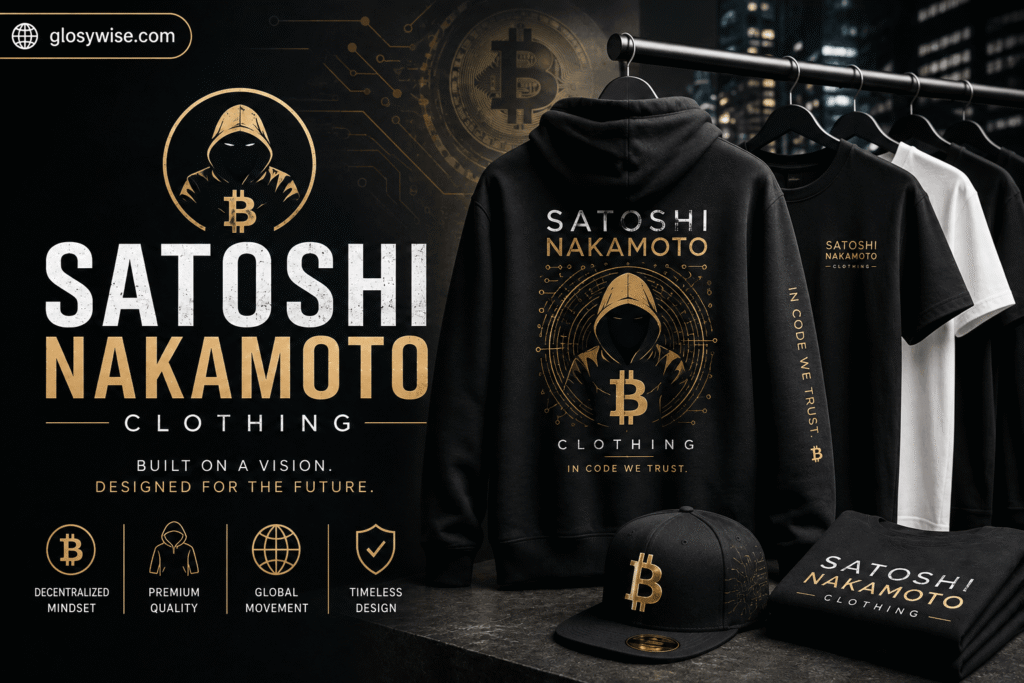
Where to Buy Satoshi Nakamoto Clothing
Satoshi Nakamoto is sold through a mix of its own channels and a curated network of premium streetwear and luxury retailers, including boutique multi-brand stores in Los Angeles and New York, as well as online luxury marketplaces that specialize in high-end streetwear. Availability tends to be limited and seasonal, which is fairly standard for brands operating in the luxury-streetwear space — drops sell through quickly, and resale demand for popular pieces (especially hoodies and collaborative footwear) can be significant.
Because the brand plays in the same space as established luxury and cult streetwear names, its pieces are often stocked alongside labels like other cult-favorite Los Angeles streetwear brands, distressed-denim specialists, and established luxury houses that have leaned into streetwear in recent years.
How Much Does Satoshi Nakamoto Clothing Cost?
This is not a budget streetwear label. Pricing sits firmly in luxury territory:
- Graphic and logo-print T-shirts generally run several hundred dollars.
- Hoodies — the brand’s signature category — typically range from roughly $1,000 to over $2,500, depending on distressing, embellishment, and limited-edition status.
- Denim, track pants, and shorts fall in a similar mid-to-high four-figure range.
- Collaborative footwear and heavily embellished outerwear sit at the top of the price spectrum.
These prices place Satoshi Nakamoto alongside established luxury streetwear names rather than mass-market brands, and they help explain the label’s positioning: this is clothing aimed at collectors and dedicated streetwear enthusiasts who see the pieces as wearable investment items, not casual weekend basics.
Who Wears Satoshi Nakamoto — and Why the Brand Resonates
The brand’s audience sits at the intersection of three overlapping groups: dedicated streetwear collectors, crypto and tech-culture enthusiasts, and a broader luxury-fashion crowd drawn to the brand’s mysterious, anti-establishment image. It’s this overlap that makes Satoshi Nakamoto Clothing unusual. Plenty of streetwear labels chase hype through celebrity co-signs; Satoshi Nakamoto instead builds its appeal around a concept — decentralization, anonymity, distrust of centralized systems — that resonates strongly with a specific, engaged, and increasingly wealthy demographic: people who came up during the crypto boom and now have real purchasing power in the luxury market.
That’s a meaningful distinction. A lot of “crypto merch” is cheap, novelty-driven, and disposable — a way to signal you own Bitcoin, nothing more. Satoshi Nakamoto Clothing instead treats crypto culture as source material for genuinely considered, expensive, well-constructed fashion. The brand isn’t selling Bitcoin logos; it’s selling an aesthetic built around the values crypto culture claims to represent: skepticism of centralized authority, appreciation for cryptography and code, and a certain outsider, hacker-coded cool.
How Satoshi Nakamoto Fits into the Broader Streetwear Landscape
Streetwear has cycled through several defining influences over the past two decades — skate culture in the 2000s, hip-hop and sneaker culture through the 2010s, and a growing overlap with high fashion houses more recently.
It’s worth noting this isn’t happening in isolation. Broader streetwear and luxury fashion have increasingly borrowed from internet-native subcultures — gaming, AI, coding culture — as those worlds produce more cultural capital and more disposable income among younger consumers. Satoshi Nakamoto’s rise reflects that shift: fashion following where cultural relevance and spending power are actually concentrated, rather than the other way around.
By working with respected partners on footwear and expanding into broader ready-to-wear categories, Satoshi Nakamoto is positioning itself for longevity beyond any single market cycle in crypto prices or trends.
Is Satoshi Nakamoto Clothing Worth the Price?
That depends entirely on what you’re looking for. If you want basics, this isn’t the label for you — the price-to-fabric ratio simply doesn’t compete with mass-market or even mid-tier streetwear brands. But if you’re drawn to conceptual, story-driven fashion with genuine cultural specificity, distinctive distressed construction, and a growing collector market, Satoshi Nakamoto occupies a fairly unique lane. Few brands manage to make a coherent aesthetic argument — connecting Americana, motorcycle culture, hacker ethos, and financial decentralization — as consistently as this one does across hoodies, denim, and footwear alike.
It’s also a brand that rewards paying attention to drops rather than browsing after the fact. Popular pieces, especially hoodies and collaborative sneakers, tend to sell out and appreciate on the resale market, which is part of why the label has built such a dedicated following relatively quickly.
A Closer Look at Materials and Construction
Part of what separates Satoshi Nakamoto from cheaper crypto-themed merchandise is the actual construction quality behind the concept. Heavyweight cotton fleece is the backbone of the hoodie line, chosen for its ability to hold distressing, paint-splatter treatments, and embroidery without losing shape after repeated wear. Denim pieces tend to use mid-to-heavy weight cotton, hand-distressed or treated to look decades old, which is a labor-intensive process that partly explains the premium pricing compared to mass-produced distressed denim.
Outerwear pieces frequently combine leather or leather-look panels with canvas or cotton twill, echoing the vintage motorcycle jackets that inspire much of the line. Studded embellishments, tear-away panels, and layered graphic prints are applied by hand or through specialized printing processes rather than simple screen printing, which is part of why individual pieces can take longer to produce and why drops are limited rather than continuously restocked.
This level of construction detail matters for anyone trying to judge whether the brand’s luxury pricing is justified. Compared to a basic graphic hoodie from a fast-fashion retailer, the difference isn’t just the logo — it’s heavier fabric, more complex finishing techniques, and smaller production runs that can’t be scaled the way mass-market apparel is.
How Satoshi Nakamoto Compares to Other Streetwear Labels
To understand where Satoshi Nakamoto sits in the market, it helps to compare it against a few different categories of competitors:
Established luxury streetwear labels. Brands that blend distressed, worn-in aesthetics with high price points and limited drops occupy similar territory. Satoshi Nakamoto competes directly with these labels for the same collector audience, and its retail placement alongside them (in both physical boutiques and online luxury marketplaces) reflects that positioning.
Crypto and tech-themed merchandise. At the opposite end of the spectrum are cheap, novelty crypto T-shirts and hoodies sold primarily through online marketplaces and crypto-community pop-ups. These pieces trade on obvious logos and slogans rather than construction quality or design concept, and they occupy a completely different price tier — often under $50. Satoshi Nakamoto deliberately avoids this lane, which is part of why its designs use subtle, conceptual references rather than literal Bitcoin logos.
Mainstream streetwear brands. Larger, more accessible streetwear labels compete on volume, frequent drops, and lower price points. Satoshi Nakamoto’s smaller runs, higher prices, and more conceptual branding put it in a different conversation entirely — closer to wearable collector pieces than everyday streetwear staples.
This three-way comparison helps explain the brand’s core value proposition: it treats crypto and hacker culture as legitimate source material for serious, well-constructed luxury fashion, rather than either ignoring the trend entirely or reducing it to novelty merchandise.
Styling Satoshi Nakamoto Pieces
Because the brand’s palette leans neutral — black, grey, off-white, and washed tones — pieces are relatively easy to build into a wider wardrobe rather than requiring a full head-to-toe brand commitment. A distressed logo hoodie pairs naturally with straight-leg denim and worn-in boots for a look that leans into the brand’s Americana-biker influence.
For anyone building a capsule around the brand, starting with one hoodie and one graphic tee is usually the most practical entry point — both categories show off the label’s signature distressing and typography without requiring the larger investment of outerwear or footwear.
Care and Longevity
Given the price point, proper care matters. Distressed and treated fabrics are more delicate than standard cotton, so cold-water washing, turning garments inside out before washing, and air-drying rather than machine-drying are generally recommended to preserve the finish and prevent additional, unintended wear. Studded or embellished pieces should be washed even more conservatively — spot cleaning is often the safer option to avoid damaging the metal hardware or dislodging appliqué details. As with most premium streetwear, checking any care label included with the specific piece is the safest approach, since finishing techniques can vary from one drop to the next.
Popular items — particularly hoodies and collaborative footwear — have shown resale demand, but as with any streetwear or fashion resale market, values can fluctuate based on trends, availability, and overall interest in the brand over time.
Final Thoughts
Satoshi Nakamoto Clothing is a good example of how deeply crypto culture has seeped into mainstream aesthetics — not through obvious logos and slogans, but through a considered design philosophy built around mystery, decentralization, and rebellion against centralized systems. Rooted in Los Angeles, inspired by vintage Americana and motorcycle culture, and finished with a distinctly tech-coded visual language, the brand has carved out a genuinely distinctive space in luxury streetwear.
Whether you come to it as a crypto enthusiast who appreciates the conceptual layer, or simply as someone who wants a well-made, distressed hoodie with a story behind it, Satoshi Nakamoto Clothing offers something increasingly rare in the streetwear space: a name and an idea that actually means something.
Frequently Asked Questions
Is Satoshi Nakamoto Clothing actually connected to Bitcoin’s creator?
No. There’s no confirmed connection between the fashion brand and the real, still-anonymous inventor of Bitcoin. The name is a branding choice built around the mystery and cultural weight associated with that pseudonym, not an endorsement or affiliation.
Where is Satoshi Nakamoto Clothing based?
The brand is based in Los Angeles and is closely associated with the city’s broader luxury streetwear scene.
Is Satoshi Nakamoto Clothing a good investment piece?
Popular items — particularly hoodies and collaborative footwear — have shown resale demand, but as with any streetwear or fashion resale market, values can fluctuate based on trends, availability, and overall interest in the brand over time.
What’s the price range for Satoshi Nakamoto Clothing?
Graphic tees typically start in the low hundreds of dollars, while hoodies, denim, and outerwear commonly range from around one thousand to several thousand dollars depending on detailing and exclusivity.
Does Satoshi Nakamoto Clothing only appeal to crypto fans?
Not necessarily. While the brand’s name and conceptual framing draw heavily on crypto and hacker culture, the actual designs use subtle, abstract references rather than obvious logos, which means the clothing reads as premium distressed streetwear even to buyers with no interest in cryptocurrency.