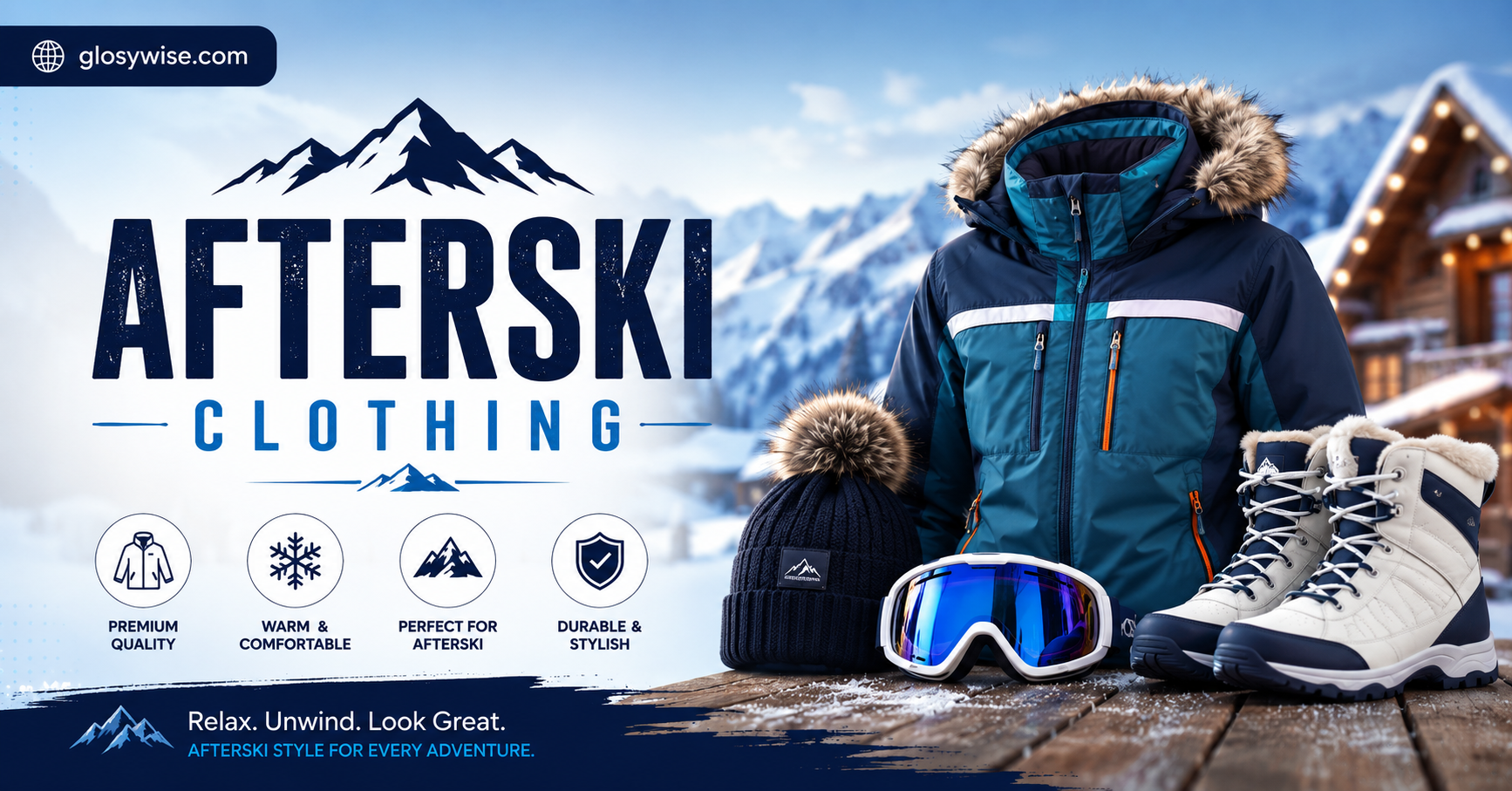
Afterski Clothing: The Ultimate Guide to Cozy, Stylish Winter Wear
Introduction: What Is Afterski Clothing?
If you’ve ever spent a day carving down the slopes and then walked into a mountain lodge only to feel completely out of place in your bulky ski gear, you already understand why afterski clothing (also written as “après-ski clothing”) exists. Après-ski is a French term that literally means “after skiing,” and it refers to the social activities — and the clothing worn for them — once the skis come off for the day.
Afterski clothing sits in a unique category of fashion. It isn’t as technical as your ski jacket or salopettes, but it isn’t your everyday city outfit either. It’s a blend of comfort, warmth, and mountain-chic style designed for lodge lounging, fireside drinks, dinner reservations, and casual walks around a snowy village. Over the last decade, this niche has grown into a full-fledged fashion category, with dedicated collections from outdoor brands and even luxury fashion houses.
In this guide, we’ll break down everything you need to know about afterski clothing — what it includes, how to choose the right pieces, styling tips for men and women, and the mistakes to avoid so you stay warm without looking like you’re still on the mountain.
A Brief History of Après-Ski Fashion
Après-ski culture began in the ski resorts of the European Alps in the mid-20th century, particularly in destinations like St. Moritz, Chamonix, and Zermatt. As skiing shifted from a purely functional winter activity to a leisure pursuit for the wealthy, the social scene around the slopes grew just as important as the sport itself. Ski lodges became social hubs, and with that came a need for clothing that balanced warmth with elegance.
By the 1960s and 70s, “ski chic” had become an aesthetic of its own — think shearling coats, fitted turtlenecks, and statement boots. Today, that legacy lives on, but afterski clothing has become more accessible, functional, and diverse, catering to everyone from casual weekend skiers to luxury resort-goers.
Why Afterski Clothing Matters
Afterski clothing isn’t just about looking good — it serves a real practical purpose:
- Temperature regulation – After an active day skiing, your body temperature drops quickly once you stop moving. Afterski wear is designed to keep you warm without the bulk of technical ski gear.
- Comfort after gear removal – Ski boots, helmets, and heavy jackets are functional but not comfortable for lounging. Afterski clothing offers breathable, relaxed alternatives.
- Social presentation – Lodges, bars, and mountain restaurants are social spaces. The right outfit helps you transition smoothly from athlete to guest.
- Versatility – Good afterski pieces often double as travel or everyday winter wear, making them a practical investment beyond the ski trip itself.
Essential Afterski Clothing Pieces
Below is a breakdown of the core categories that make up a well-rounded afterski wardrobe, along with their primary purpose and fabric recommendations.
| Clothing Item | Purpose | Recommended Fabric | Style Notes |
|---|---|---|---|
| Puffer or Shearling Jacket | Insulation while walking outdoors between venues | Down, faux shearling, wool blend | Oversized silhouettes are trending; choose water-resistant outer layers |
| Chunky Knit Sweater | Mid-layer warmth and cozy aesthetic | Wool, cashmere, alpaca | Cable-knit and turtleneck styles are classic après-ski staples |
| Fleece-Lined Leggings or Joggers | Comfortable lower-body warmth | Fleece-lined cotton or performance fleece | Pairs well with boots and oversized tops |
| Thermal Base Layers | Core warmth retention | Merino wool, thermal cotton blends | Worn under sweaters or jackets for extra insulation |
| Après-Ski Boots | Warm, waterproof footwear for snowy terrain | Shearling-lined leather, rubber sole | Look for good grip since lodge areas can be icy |
| Beanie or Knit Hat | Head warmth and style accent | Wool or acrylic knit | Pom-pom and cable-knit designs remain popular |
| Scarf or Neck Gaiter | Neck and lower-face protection | Wool, cashmere, fleece | Doubles as a styling accessory |
| Insulated Gloves or Mittens | Hand warmth for outdoor transitions | Leather with thermal lining | Choose touchscreen-compatible options for convenience |
How to Choose the Right Afterski Clothing
When shopping for afterski clothing, keep the following factors in mind:
1. Layering Capability
The mountain climate can shift quickly — a sunny afternoon can turn into a freezing evening within hours. Choose pieces that layer well together: a thermal base, a knit mid-layer, and a warm outer layer.
2. Fabric Quality
Natural fibers like merino wool, cashmere, and shearling perform better in cold, damp conditions than synthetic alternatives. They regulate temperature more effectively and tend to be more breathable, reducing the clammy feeling that comes from overheating indoors.
3. Footwear Traction
Après-ski boots aren’t just about looks. Icy pavement outside lodges and restaurants can be hazardous, so footwear with a solid rubber outsole and good tread is essential — not optional.
4. Versatility Beyond the Slopes
Since a full ski trip wardrobe can be a significant investment, prioritize pieces that work well in everyday cold-weather settings too, such as chunky sweaters, wool coats, and insulated boots you can wear back home.
5. Fit and Mobility
Afterski clothing should be relaxed and comfortable, but not restrictive. Oversized doesn’t mean sloppy — well-tailored, roomy cuts strike the right balance between coziness and polish.
Afterski Clothing for Women
Women’s afterski fashion typically leans into a mix of alpine-inspired textures and elevated casualwear:
- Shearling or faux-fur trimmed jackets paired with fitted turtlenecks
- Chunky knit sweater dresses with thermal leggings and tall boots
- Wide-leg fleece-lined trousers for a relaxed but polished silhouette
- Statement knitwear in neutral tones like cream, camel, and forest green
- Accessories such as faux-fur headbands, wool scarves, and leather gloves
Afterski Clothing for Men
Men’s après-ski style tends to focus on structured layering and classic mountain textures:
- Wool or shearling bomber jackets over flannel or knit sweaters
- Corduroy or fleece-lined pants for comfort and warmth
- Cable-knit sweaters in earthy or jewel tones
- Insulated boots with a rugged, outdoor-inspired design
- Beanies and scarves to complete a laid-back but put-together look
Styling Tips for the Perfect Afterski Look
- Stick to a warm color palette. Cream, burgundy, forest green, and camel tones evoke the classic mountain-lodge aesthetic and pair well with snowy backdrops.
- Mix textures. Combining knitwear, shearling, and leather creates visual depth without needing bold patterns.
- Don’t skip accessories. A statement scarf or beanie can elevate a simple sweater-and-jeans combination into a complete look.
- Invest in one standout outer layer. A quality shearling or puffer jacket becomes the anchor piece you can build multiple outfits around.
- Prioritize function first. No outfit looks good if you’re visibly cold or slipping on ice — function should always come before pure aesthetics.
More Helpful Guides: glosywise
Common Mistakes to Avoid
- Wearing ski gear indoors. Technical ski jackets and salopettes are bulky and often too warm for indoor lodge settings.
- Choosing style over safety. Smooth-soled boots or shoes may look fashionable but are risky on icy walkways.
- Ignoring layering. A single heavy sweater without a proper base layer often leads to overheating indoors and being cold outdoors.
- Overpacking heavy items. Afterski wardrobes work best with versatile, mix-and-match pieces rather than one-time-use outfits.
Frequently Asked Questions
Is afterski clothing the same as ski clothing?
No. Ski clothing is technical gear designed for performance on the slopes (waterproofing, insulation, mobility for skiing), while afterski clothing prioritizes comfort and style for off-slope social settings.
Can I wear afterski clothing if I’m not skiing?
Absolutely. Many afterski staples — chunky sweaters, shearling jackets, insulated boots — work perfectly as everyday winter wardrobe pieces, even for non-skiers.
What is the most important afterski clothing item to invest in?
A high-quality, warm outer layer (such as a shearling or wool-blend coat) and a pair of insulated, non-slip boots tend to offer the best combination of comfort, safety, and versatility.
Do I need different afterski outfits for daytime and evening?
It’s helpful to have at least one relaxed daytime option (for lodge lounging) and one slightly elevated option (for dinner or an evening out), though many pieces can transition between both with minor accessory changes.
Conclusion
Afterski clothing has evolved from a niche alpine tradition into a genuine fashion category that blends warmth, comfort, and mountain-inspired style. Whether you’re heading to a cozy lodge fireplace or strolling through a snow-covered village after a day on the slopes, the right afterski wardrobe lets you transition seamlessly from athlete to guest — without sacrificing comfort or style. By focusing on quality fabrics, smart layering, and functional footwear, you can build an afterski wardrobe that keeps you warm, safe, and effortlessly put together all season long.