What Is an Old Fashioned Invitation Enclosure? A Complete Guide
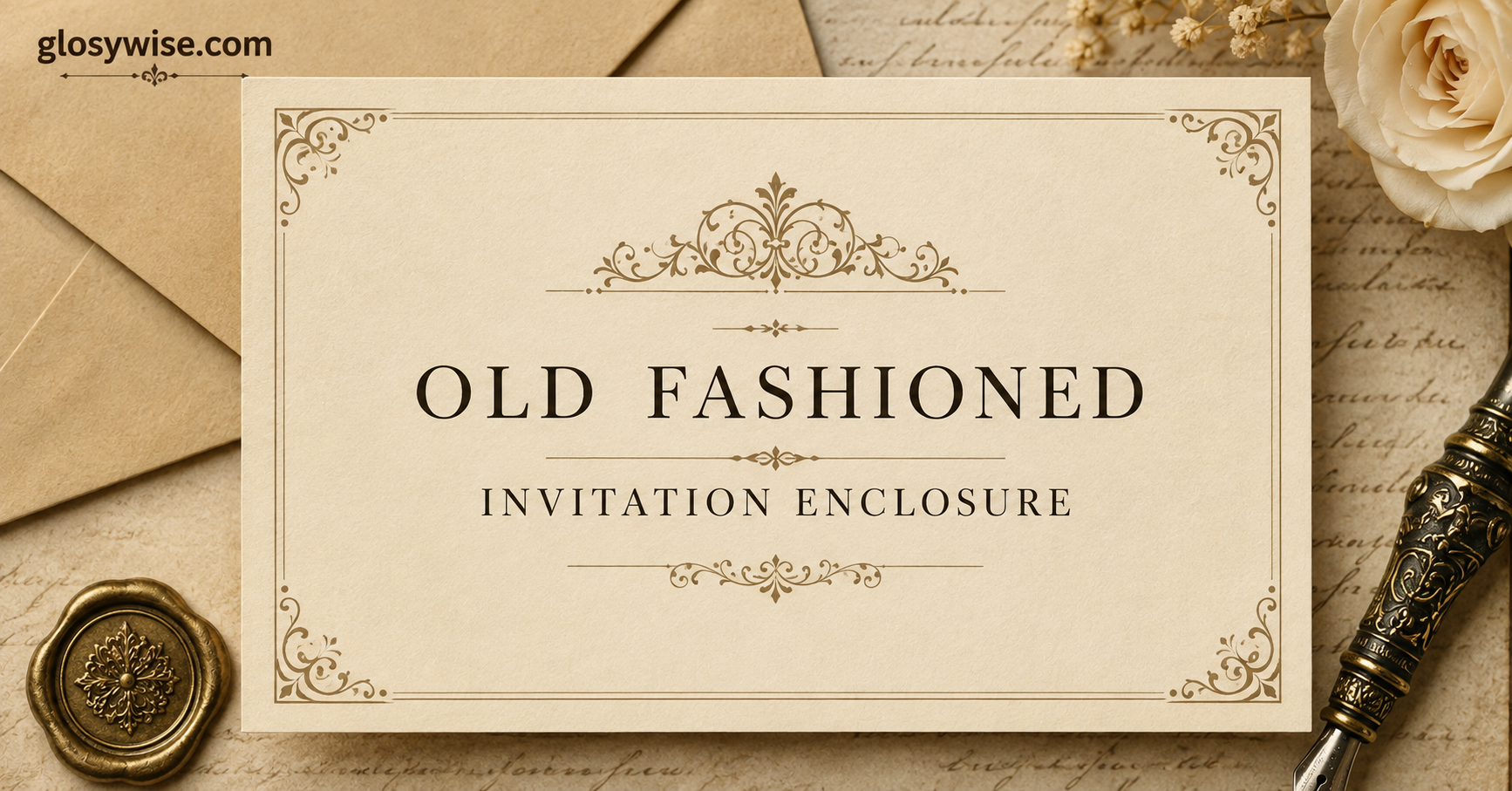
If you have ever opened a vintage wedding invitation formal dinner card or an heirloom announcement passed down through a family, you may have noticed small extra cards tucked neatly inside the envelope. These are known as invitation enclosures, and the “old-fashioned” style refers to the traditional, formal way they were designed, printed, and presented before modern digital invitations took over.
In this guide, we will explain what an old-fashioned invitation enclosure is, why it was used, the different types, and how you can bring this timeless tradition into your own event planning today.
What Does “Invitation Enclosure” Mean?
An invitation enclosure is any additional card, note, or slip of paper included alongside the main invitation card inside the same envelope. Unlike the main invitation, which states the who, what, when, and where of the event, enclosures provide supporting details that would otherwise clutter the primary card.
In the old-fashioned tradition, enclosures were printed on matching card stock, often engraved or letterpress-printed, and followed strict etiquette rules regarding wording, size, and order of placement inside the envelope.
A Brief History of Old-Fashioned Invitation Enclosures
Formal enclosure cards became common in the late 19th and early 20th centuries, particularly among upper-class and society weddings in Europe and America. At the time, invitations were handwritten or engraved, and etiquette guides (similar to today’s wedding planning books) laid out exact rules for how enclosures should look and what they should say.
Because printing multiple cards was more affordable than reprinting an entire invitation to add new information, hosts began using separate small cards for details like reception venues, reply requests, and transportation instructions. This practice carried on for decades and remains a hallmark of traditional, formal stationery sets today.
Common Types of Old-Fashioned Invitation Enclosures
Several standard enclosure types were used in traditional invitation suites. Each had a specific purpose and a customary format.
1. Reception Card
This card informed guests where the celebration would be held after the main event, especially common in wedding invitations where the ceremony and reception took place at different venues.
2. Reply Card (RSVP Card)
Also called a response card, this small card allowed guests to confirm their attendance. In the old-fashioned style, reply cards often did not include pre-printed lines for names; guests were expected to handwrite a formal reply in the third person.
3. Pew Card or Admission Card
Used mainly for weddings with limited seating or exclusive ceremonies, these cards granted the guest reserved seating or entry.
4. At-Home Card
This enclosure informed guests of the couple’s new address after marriage, a charming custom that has mostly disappeared from modern invitations.
5. Map or Direction Card
While less “old-fashioned” and more of a later addition, small direction cards were sometimes included once formal events began being held at less familiar venues.
6. Tissue Paper Insert
A defining feature of truly old-fashioned invitations was a thin sheet of tissue paper placed over the engraved text. This prevented ink smudging before it fully dried and became a traditional stylistic element even after it was no longer functionally necessary.
Old Fashioned Enclosure Etiquette
Traditional etiquette placed great importance on the order, size, and stacking of enclosures. Some general rules included:
- Enclosure cards were cut smaller than the main invitation so they would not overhang the edges.
- Cards were stacked in order of importance, with the main invitation on the bottom and smaller cards layered on top.
- All enclosures used matching paper stock, ink color, and typography to maintain a cohesive, formal look.
- Wording remained formal and impersonal, often written in the third person, such as “The favor of a reply is requested.”
How to Use Old-Fashioned Invitation Enclosures Today
Even though most invitations today are printed as a single card or sent digitally, many couples and event planners are bringing back old-fashioned enclosures for their timeless, elegant appeal. Here is how you can incorporate them:
- For weddings: Add a reception card and RSVP card printed on matching card stock for a classic, formal look.
- For milestone celebrations: Use a small details card with dress code or gift registry information instead of crowding the main invitation.
- For heirloom-style stationery: Include a tissue paper insert and hand-assemble each envelope for an authentic vintage feel.
- For formal business or gala events: An admission card or reply card adds a refined, traditional touch that stands out from typical modern invites.
Why Old Fashioned Enclosures Still Matter
While convenience has shifted many hosts toward all-in-one printed invitations or digital RSVPs, old-fashioned invitation enclosures remain popular for those who want their event to feel intentional, elegant, and rooted in tradition. They also give hosts more flexibility, allowing details to be updated or reprinted separately without redesigning the entire invitation suite.
Final Thoughts
An old-fashioned invitation enclosure is more than just an extra piece of paper in an envelope. It is a reflection of a time when correspondence was treated as an art form, with every detail considered and every card serving a clear purpose. Whether you are planning a vintage-inspired wedding or simply appreciate classic stationery traditions, understanding these enclosures can help you create invitations that feel both timeless and thoughtfully designed.