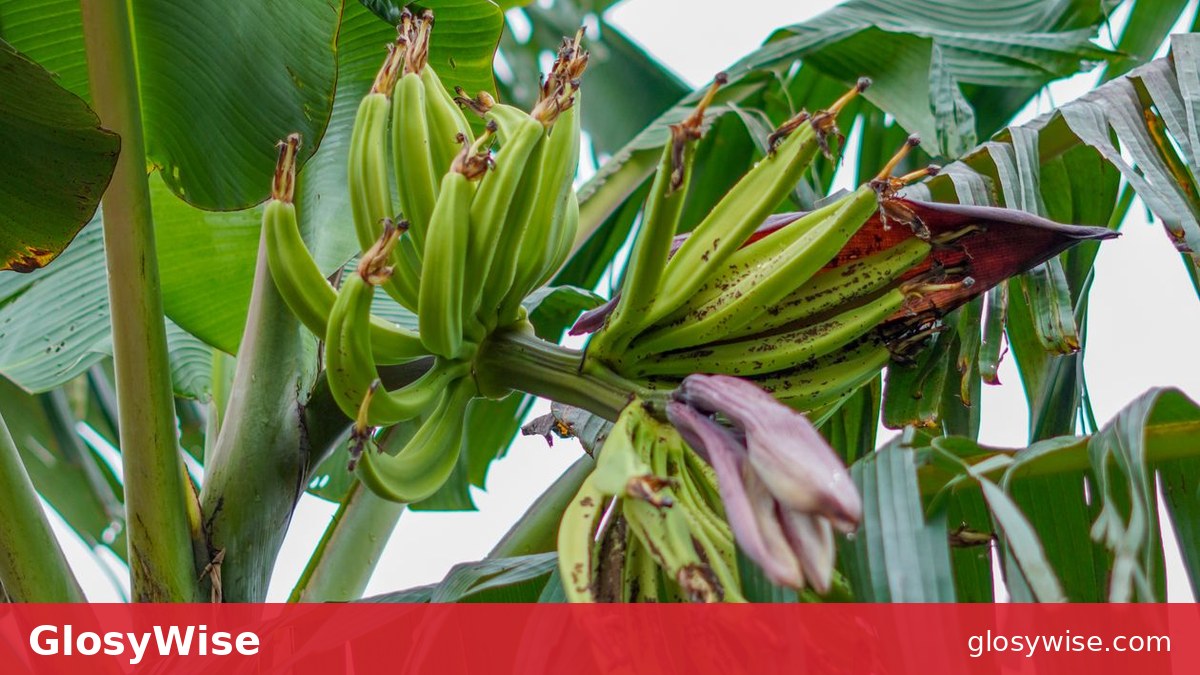
Banana fiber comes from the stem of the banana plant. After farmers harvest the fruit, they strip the stem, or pseudostem, to get long, strong fibres. Makers then clean, dry, and spin those fibres into yarn. As a result, a waste part of the plant becomes a useful material for fabric, paper, and rope.
This guide explains what this fibre is, how makers produce it, and where people use it. In addition, it covers its strengths, its limits, and how to care for it.
What Is Banana Fiber?
This fibre is a natural fibre that comes from the banana plant. Farmers grow the plant for its fruit, and they cut the stem after harvest. Inside the stem, long fibres run from top to bottom. Workers strip those fibres out, wash them, and dry them in the sun.
The fibre feels light, yet it is strong for its weight. It has a soft shine, and it can feel a little rough at first. With use and washing, however, it softens. You can read a reference overview of banana fiber for more detail on its source and its uses.

How Makers Produce It
First, farmers cut the pseudostem after they pick the bananas. Next, workers strip the outer layers to reach the fibres inside. Then they scrape, wash, and dry the fibres. After that, spinners twist the fibres into yarn, and weavers turn the yarn into cloth.
Makers can use the fibre in two ways. They can spin it alone, or they can blend it with cotton, silk, or other fibres. A blend can soften the cloth and make it easier to wear. The pure fibre, on the other hand, feels firmer and suits bags, mats, and home items.
What People Use It For
People use this material for many items. In textiles, makers turn it into fabric for clothes, scarves, and home textiles. In paper, makers use it for strong, textured paper and cards. In crafts, makers use it for bags, baskets, mats, and ropes.
Designers also use it for eco-friendly fashion. They like it because it comes from a plant part that farmers would otherwise throw away. As a result, it can reduce waste and give farmers an extra income. It also suits people who want natural, plant-based materials.
Fabric
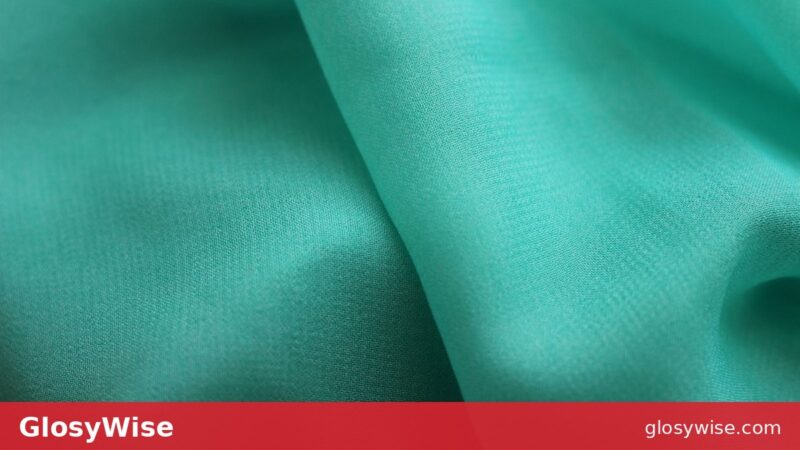
As a fabric, this fibre feels light and breathable. It suits warm weather, because air passes through it. It also drapes in a soft way, though it can feel firmer than cotton. A blend with cotton or silk can make it softer and easier to wear next to the skin.
Paper and Rope
As paper, this fibre gives a strong, textured sheet. Makers use it for art paper, cards, and packaging. As rope, it gives a firm, light cord. Farmers and craft makers use it for tying, weaving, and carrying.

Pros
First, this fibre is natural and biodegradable. It breaks down in nature, unlike many synthetic fibres. Second, it uses a waste part of the plant, so it can reduce farm waste. Third, it feels strong and light, and it can last well with care.
Fourth, it breathes well, so it can feel cool in warm weather. Fifth, it takes dye, so makers can colour it in many shades. Finally, it can support farmers, because it gives them a use for stems they would otherwise discard.
Cons
This material also has limits. First, it can feel rough, especially when makers use it alone. Second, it can cost more than cotton, because workers strip and clean it by hand in many places. Third, it is less common, so shoppers may find fewer choices.
In addition, it needs gentle care. Harsh washing can weaken it, and strong sun can fade it. It also wrinkles, like many natural fibres. For that reason, it suits special items and home goods more than everyday workwear.
How It Compares With Cotton
Cotton is soft, easy to wash, and widely available. This fibre, by contrast, feels firmer and lighter, and it comes from a waste stem. Cotton suits everyday clothes, while this material suits light, eco-friendly items. A blend of the two can give the best of both: cotton softness with extra strength.
How to Care for It
Always check the care label first. Hand wash items made from this fibre in cool water with a mild soap. Do not wring them hard, and lay them flat to dry. Keep them away from strong sun, and iron them on a low setting if needed. For more on eco fabrics, see our guide to sustainable fashion for beginners, and for fabric shopping, see our guide to the fashion fabrics club and fabric by the yard.
Conclusion
Banana fiber is a natural fibre from the stem of the banana plant. Farmers strip it after harvest, and makers spin it into yarn for fabric, paper, and rope. It is light, strong, breathable, and biodegradable, and it uses a plant part that would otherwise go to waste. It can feel rough, cost more than cotton, and need gentle care. Even so, for eco-friendly fashion, home textiles, and crafts, this material is a useful and interesting choice.
Frequently Asked Questions
What is banana fiber?
It is a natural fibre from the stem of the banana plant. Makers strip it after harvest, clean it, and spin it into yarn for fabric, paper, and rope.
Is it sustainable?
Yes, in many ways it is sustainable. It comes from a waste part of the plant, it is natural and biodegradable, and it can reduce farm waste.
Is it soft?
It can feel a little rough at first, but it softens with use and washing. Blends with cotton or silk feel softer than the pure fibre.
What do people use it for?
People use it for fabric, clothes, scarves, home textiles, paper, cards, bags, baskets, mats, and rope.
Note: This article is for general information only and does not replace professional advice. Always check care labels and product instructions before use.

Leave a Reply