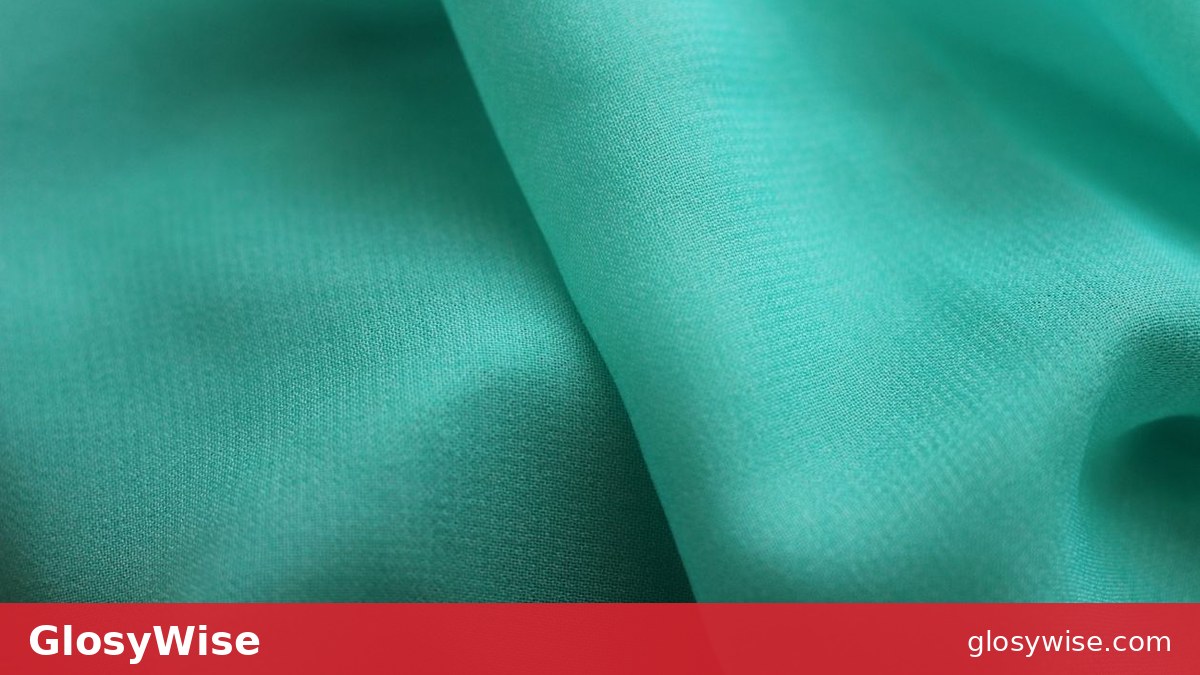
Is viscose a good material? For many clothes, the answer is yes, with a few limits. This fabric feels soft, smooth, and light. It drapes well, feels cool on the skin, and looks neat in dresses, blouses, and linings. It does not suit every use, though, because it wrinkles easily and needs gentle care.
This guide explains what viscose is, how makers produce it, and where it works best. It also covers its pros and cons, how it compares with cotton and polyester, and how to wash it.
What Is Viscose?
Viscose is a soft fabric, and makers form it from cellulose, the natural fibre in wood pulp. People often call it viscose rayon, because it belongs to the rayon family. It counts as neither fully natural nor fully synthetic. Plants supply the raw material, but factories process that material into smooth fibres.
Makers first produced viscose as a cheaper silk-like fabric. It has a soft shine, a smooth feel, and a fluid drape. Designers use it for dresses, skirts, blouses, shirts, scarves, and linings. Home textile makers also use it for some soft furnishings.
You can read a reference overview of viscose for more detail on how makers produce this fibre and where people use it.
How Is Viscose Made?
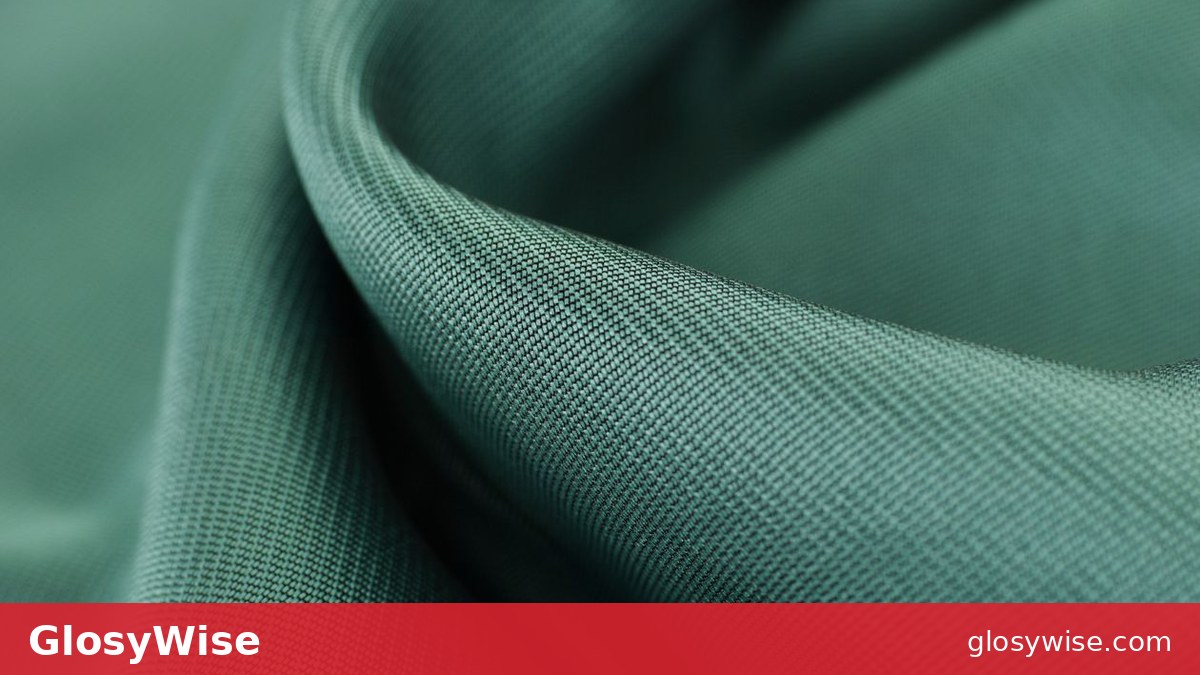
Makers start with wood pulp, often from beech, pine, or eucalyptus trees. They treat the pulp with chemicals to form a thick liquid. Then they push that liquid through fine holes to form long, smooth fibres. After that, spinners turn the fibres into yarn, and weavers turn the yarn into cloth.
This process gives viscose its silk-like feel. It also explains why people call viscose a semi-synthetic fabric. Nature supplies the source, but a chemical process forms the fibre. That process can use a lot of water and chemicals, so some makers now use cleaner methods.
Pros of Viscose
Viscose offers many strengths. It feels soft and smooth against the skin, and it never feels rough or stiff. It drapes well, so it falls in soft folds rather than standing out from the body. That quality makes it a good choice for dresses and flowing tops.
The fabric also breathes well and absorbs moisture. Air passes through it, and it takes in moisture from the skin. That helps it feel cool in warm weather. Dyers find that it takes dye well, so it comes in bright, clear colours. Shoppers pay less for it than for silk, while still getting a similar look and feel.
Comfort in Warm Weather
In warm weather, viscose feels light and cool. It clings less than some synthetic fabrics, and it moves with the body. A loose viscose dress or blouse can feel easy to wear on a hot day.
A Good Drape
A good drape means the fabric falls smoothly. Viscose does this well, so designers choose it for wide trousers, soft skirts, and fluid dresses. It suits styles that need movement, rather than stiff shapes.
Cons of Viscose
Viscose also has clear limits. It wrinkles easily, so a viscose top can look creased after a short sit. Hot water or high heat can shrink it. Wet viscose loses strength, so it needs gentle handling.
Colours can fade over time, and some types can pill or wear thin where fabric rubs. It does not suit heavy outdoor use or clothes that need frequent hard washing. For those uses, a stronger fabric may last longer.
Viscose vs Cotton
Cotton is a natural fibre, and it offers strength, easy washing, and long wear. Viscose feels softer and drapes better than cotton, and it often feels smoother. Cotton holds its shape better and needs less care at home. Viscose feels cooler and more fluid, but it needs more care. Choose cotton for everyday shirts and workwear, and viscose for soft, flowing styles.
Viscose vs Polyester
Polyester is a synthetic fibre, and it offers strength, wrinkle resistance, and fast drying. Viscose feels softer and more breathable than polyester, and it feels less warm on the skin. Polyester holds its shape and needs less ironing, but it can feel less soft. Choose viscose when comfort and drape matter most, and polyester for clothes that need to stay neat with little care.
Best Uses for Viscose
Viscose works best for dresses, blouses, skirts, and scarves. It also suits linings, because it feels smooth and light. It fits warm-weather clothes, office blouses, and soft evening wear. It does not suit heavy coats, sports clothes, or items that need washing often. For more on fabric choices, see our guide to cloth tulle and sheer fabrics, and for a wider view, see our guide to sustainable fashion for beginners.

How to Care for Viscose
Always check the care label first, because some viscose items need dry cleaning. If hand washing is allowed, use cool water and a mild soap. Wash gently, do not wring the fabric, and press out water with a towel. Lay the item flat or hang it to dry away from direct heat.
Iron viscose on a low setting, and use a pressing cloth if needed. Store viscose clothes in a cool, dry place, and keep them away from rough surfaces that can snag the fibres. Gentle care helps viscose keep its soft feel and colour.
Conclusion
Viscose is a good material for soft, flowing, and comfortable clothes. Makers form it from wood pulp, and it feels smooth and cool, with a good drape. It wrinkles easily, can shrink if washed badly, and needs gentle care. Compared with cotton, it feels softer and more fluid, and compared with polyester, it breathes better. For dresses, blouses, and scarves, viscose is a strong choice, as long as you follow the care label.
Frequently Asked Questions
Is viscose a good material?
Yes, viscose is a good material for soft, flowing clothes. It feels smooth, breathes well, and drapes well, but it wrinkles easily and needs gentle care.
Is viscose natural or synthetic?
Viscose is semi-synthetic. Makers form it from natural wood pulp, but they process the pulp in a factory to form smooth fibres.
Does viscose shrink?
Viscose can shrink if you wash it in hot water or dry it at high heat. Wash it in cool water, as the care label directs, and do not tumble dry it on high heat.
Is viscose good for summer?
Yes, viscose is good for summer. It feels light, breathes well, and absorbs moisture, so it feels cool in warm weather.
Note: This article is for general information only and does not replace professional advice. Always check care labels and product instructions before use.


Leave a Reply