
Cloth tulle is a light, sheer netting that adds volume and softness to clothes. You can see it in wedding veils, ballet tutus, and evening gowns. It looks simple at first glance. Yet this fine fabric can change the whole shape of a garment. In this guide, you will learn what cloth tulle is, how it is made, and how to choose, cut, sew, and care for it.
What Is Cloth Tulle?
Cloth tulle is a very fine netting made from silk, nylon, rayon, or polyester. Its threads form small hexagonal holes. As a result, the fabric is light, airy, and easy to see through. In fact, tulle is a lightweight, very fine netting that has long been used for veils and dress trims. Today, most cloth tulle comes from machines. Even so, it keeps its soft, open look.
Do not confuse cloth tulle with organza or chiffon. Organza is a plain weave with a crisp feel. Chiffon is a soft, draped fabric with no holes. Tulle, by contrast, has a clear net structure. You can see the tiny holes when you hold it up to light. As a result, that structure gives tulle its spring and volume. It also makes the fabric easy to layer.
How Tulle Is Made
Modern cloth tulle is made on netting machines. Fine yarns are twisted and looped into a hexagonal mesh. After that, the net is finished, dyed, or stiffened. Silk tulle feels soft and drapes well. Nylon tulle is strong, light, and low in cost. Polyester tulle holds its shape and resists wrinkles. The fiber you choose affects the drape, the shine, and the price.
Types of Tulle
Not all cloth tulle is the same. Makers sell it in soft, medium, and stiff grades. They also sell it in many colors and widths. For that reason, the grade you pick should match your project. A soft grade suits veils. A stiff grade suits tutus.
Soft Tulle
Soft tulle drapes in gentle folds. It feels smooth against skin. For that reason, it works well for veils, scarves, and overlays. It adds a light haze over a dress without much bulk.
Medium Tulle
Medium tulle holds a little more shape. It still drapes, but it adds some body. Dressmakers use it for skirts, sleeves, and petticoats. It is a good middle choice for most projects.
Stiff Tulle
Stiff tulle stands out from the body. Ballet makers use it for classic tutus that must hold a flat shape. It can feel scratchy, so it often needs a soft lining. Use it when volume matters more than drape.
Cloth Tulle in Bridal Wear
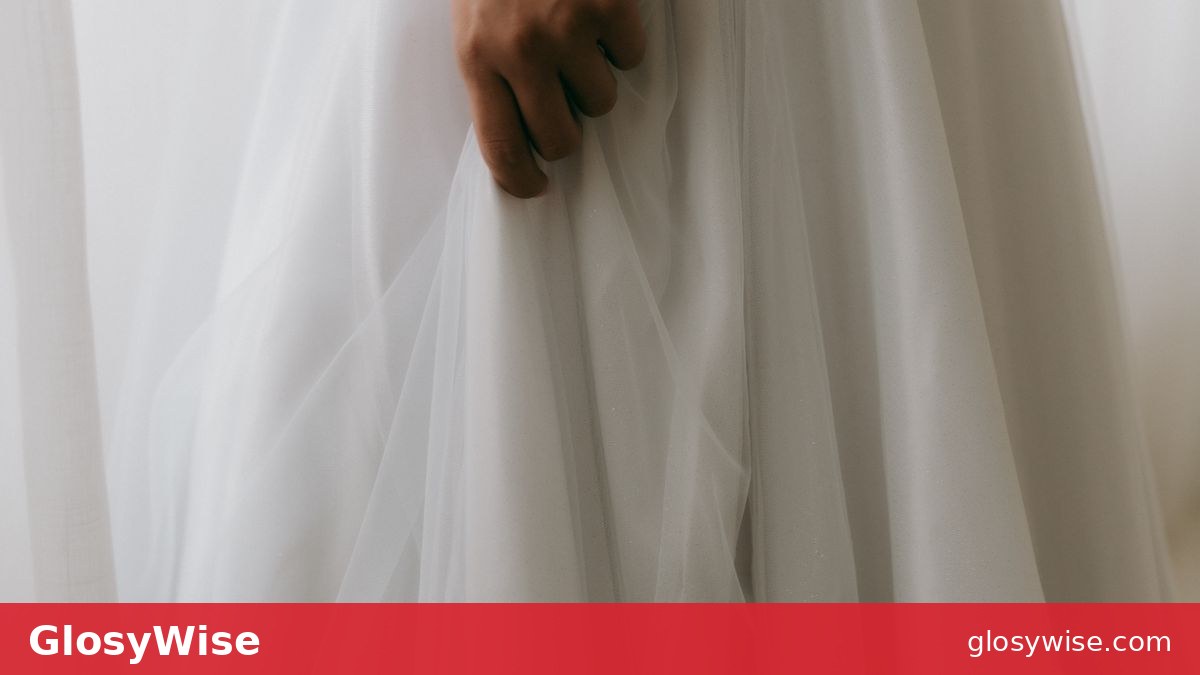
Bridal wear is the best-known use of cloth tulle. Veils are the clearest example. A soft tulle veil falls in a light cloud around the face. It does not hide the dress. Bridal skirts use layers of tulle too. Each layer adds fullness without much weight. When you shop, buy fabric by the yard and check the fiber and grade.
Cloth Tulle in Ballet and Dance
Ballet tutus show what stiff cloth tulle can do. A classic tutu uses many short layers of stiff tulle. The layers are tacked together at the waist. Then they fan out in a flat ring. The dancer can still jump and turn. The skirt keeps its shape through the whole show. In addition, soft tulle also appears in dance. It makes flowing skirts for modern dance. There, the fabric moves with the dancer.
Cloth Tulle in Evening Wear
Evening wear uses cloth tulle for drama and lightness. For example, designers layer it over satin or crepe. The base fabric gives cover. The tulle gives depth and shimmer. You can see this in ball gowns, prom dresses, and red-carpet looks. For more ideas on where such looks fit, see our guide to the main fashion styles.
How to Choose Cloth Tulle
Start with the fiber. Silk tulle feels best but costs most. Nylon tulle is a good low-cost choice. Polyester tulle is best when you need shape that lasts. Next, check the grade. Hold the fabric up and let it fall. Soft grades will drape. Stiff grades will spring back. Then check the color in daylight. Tulle can look different under shop lights. Finally, buy a little extra.

How to Cut and Sew Cloth Tulle
Cut cloth tulle with sharp scissors on a flat surface. A rotary cutter also works well. Do not pull the fabric while you cut. Pulling will stretch the net and skew the edge. Use a fine needle and a short stitch. For seams, try a French seam or a narrow rolled hem. These finishes hide raw edges. They also stop the net from fraying. Finally, if the tulle slips, pin it with fine pins.
How to Care for Cloth Tulle
Care for cloth tulle with a gentle hand. Hand wash it in cool water with mild soap. Do not wring it. Press the water out with a towel instead. Then lay the piece flat to dry. Heat can melt nylon and polyester tulle, so keep irons away. If you must press it, use the lowest heat and a pressing cloth. Finally, store tulle rolled, not folded.
Common Mistakes to Avoid
The most common mistake is to pick the wrong grade. Soft tulle will not hold a tutu shape. Stiff tulle will not drape like a veil. Another mistake is to skip a lining. However, bare tulle can itch on skin. A soft lining solves that problem. A third mistake is to use hot water or a hot iron. Heat can shrink or melt the net.
Cloth tulle is a simple fabric with many uses. It can soften a veil, lift a skirt, or shape a tutu. Above all, the key is to match the fiber and grade to your project. Shop with a clear plan, test a small piece first, and handle the net with care. In short, choose well, sew with patience, and your tulle will look light and fresh.
Conclusion
Cloth tulle is a very fine, light netting made from silk, nylon, rayon, or polyester, with small hexagonal holes that make it airy and easy to see through. Soft tulle drapes in gentle folds and suits veils, scarves, and overlays, medium tulle adds some body for skirts, sleeves, and petticoats, and stiff tulle stands out from the body and is used for classic tutus that must hold a flat shape. Silk tulle feels best but costs most, while nylon tulle is a good low-cost choice, so the fiber and grade should match the project. Hand wash cloth tulle in cool water with mild soap, do not wring it, and choose well and sew with patience so your tulle will look light and fresh.
Frequently Asked Questions
What is cloth tulle?
Cloth tulle is a very fine netting made from silk, nylon, rayon, or polyester. Its threads form small hexagonal holes, so the fabric is light, airy, and easy to see through. You can see it in wedding veils, ballet tutus, and evening gowns.
How is cloth tulle different from organza and chiffon?
Organza is a plain weave with a crisp feel, and chiffon is a soft, draped fabric with no holes. Tulle, by contrast, has a clear net structure, and you can see the tiny holes when you hold it up to light. That structure gives tulle its spring and volume, and it also makes the fabric easy to layer.
Which grade of tulle should I choose?
Soft tulle works well for veils, scarves, and overlays because it drapes in gentle folds. Medium tulle is a good middle choice for skirts, sleeves, and petticoats because it still drapes but adds some body. Stiff tulle is used for classic tutus that must hold a flat shape, and it can feel scratchy, so it often needs a soft lining.
How do I care for cloth tulle?
Hand wash cloth tulle in cool water with mild soap, and do not wring it.


[…] sports clothes, or items that need washing often. For more on fabric choices, see our guide to cloth tulle and sheer fabrics, and for a wider view, see our guide to sustainable fashion for […]