A clothing size chart for pants turns your body measurements into a size you can buy. It lists waist, hip, and inseam numbers next to sizes. That table helps you pick pants that fit without trying on ten pairs. This guide explains what a clothing size chart for pants is and how to use it. You will learn how to measure yourself, read a chart, and choose the right size. It also covers common fit problems. Read on for a simple, step-by-step guide.
What Is a Clothing Size Chart for Pants?
A clothing size chart for pants is a table that matches body measurements to pants sizes. It lists sizes in rows or columns. Next to each size, it shows the waist, hip, and inseam that fit it. Some charts also show the rise and the leg length. Brands make their own charts. As a result, a size 32 in one brand may fit like a size 34 in another. Countries use different systems too. That is why you should always check the chart for the brand you buy. A chart saves time, money, and returns. It also helps you shop online with confidence.
How to Measure for a Clothing Size Chart for Pants
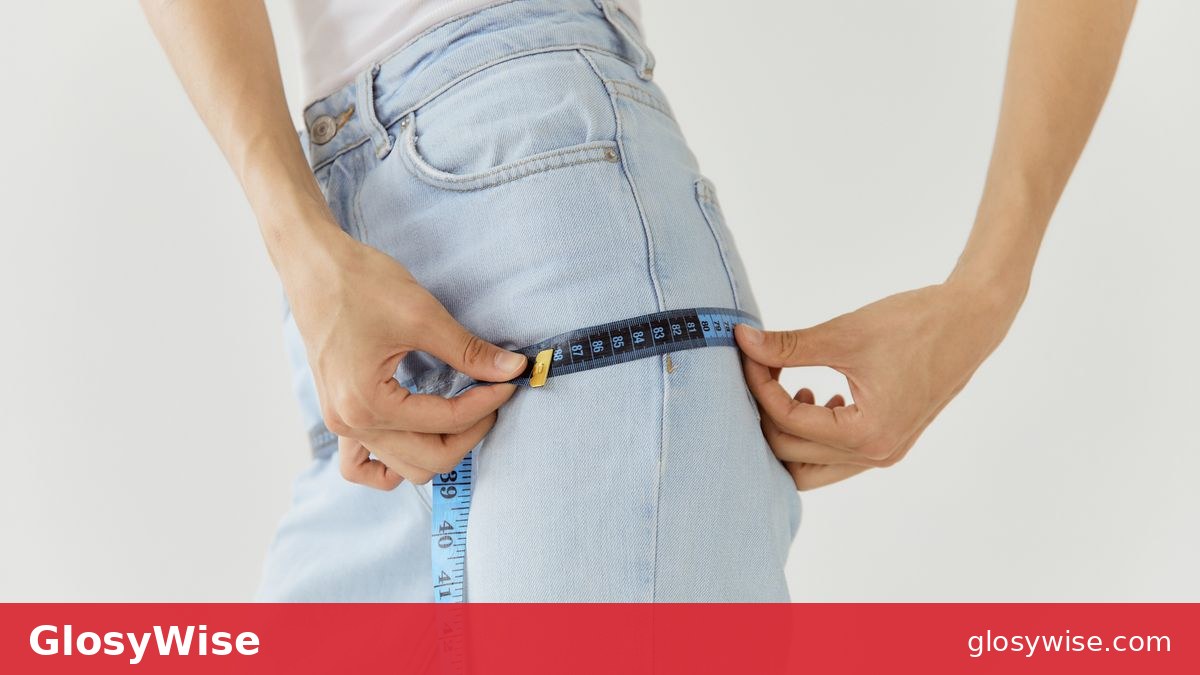
You need a soft measuring tape and a mirror. First, measure your waist. Find your natural waist, which is the narrowest part of your torso. Keep the tape level and snug, but not tight. Write the number down. Next, measure your hips. Stand with your feet together. Wrap the tape around the widest part of your hips. Keep it level. Then measure your inseam. Measure from the crotch to the ankle bone. Ask a friend to help with this step. It is hard to do alone. Finally, measure your outseam if the chart asks for it. That number runs from the waist to the ankle. Measure over thin clothes, not a thick sweater. For more tips on measuring at home, see our guide to how to measure baby feet at home for shoe size.
How to Read a Clothing Size Chart for Pants
Start with your waist number. Find the row or column that matches it. Then check your hip number on the same row. If your waist and hip point to different sizes, pick the larger size. You can tailor the waist later. Next, check the inseam. A long inseam means long legs. A short inseam means short legs. Some charts list lengths as short, regular, and long. If you fall between two sizes, size up for comfort. For that reason, tight pants are harder to fix than loose ones. A tailor can take in a loose waist, but cannot add fabric to a tight hip.
Men’s, Women’s, and Children’s Pants Charts
Men’s pants charts often use waist and inseam in inches. A label like 32 x 30 means a 32-inch waist and a 30-inch inseam. Women’s charts often use numbers, such as 6, 8, or 10. Some also list the waist in inches. Children’s charts often use age or height. A size 8 may fit a child of a certain height. In all cases, the numbers change by brand and country. The European standard EN 13402 sets out a system for labelling clothes sizes. Not all brands use it, though. Some brands also list the size in centimeters. That helps if you shop from another country. For that reason, always check the brand’s own chart before you order.
Common Fitting Problems
The most common problem is a waist that fits but hips that do not. That happens because bodies vary in shape. A straight cut may fit one shape and not another. Another problem is the rise. A high rise sits at the waist. A low rise sits on the hips. Pick the rise that feels best to you. Length is another issue. Pants that pool at the ankle are too long. Pants that show the ankle are too short. If a pair fails in two places, try another cut or size. A different cut can fix what a size change cannot.
How to Choose the Right Fit
Use your measurements first, then the chart. If you are between sizes, think about the fabric. Stretch fabric forgives a tight fit. Rigid denim does not. Next, think about the cut. A wide-leg cut needs a different fit than a slim cut. For ideas on styling wide legs, see our guide to how to style wide-leg pants for petite women. Also, read reviews. Other buyers often say if a pair runs small or large. Finally, check the return policy. A good return policy lets you try two sizes at home. Keep the one that fits best.
Measuring Tips for a Better Fit
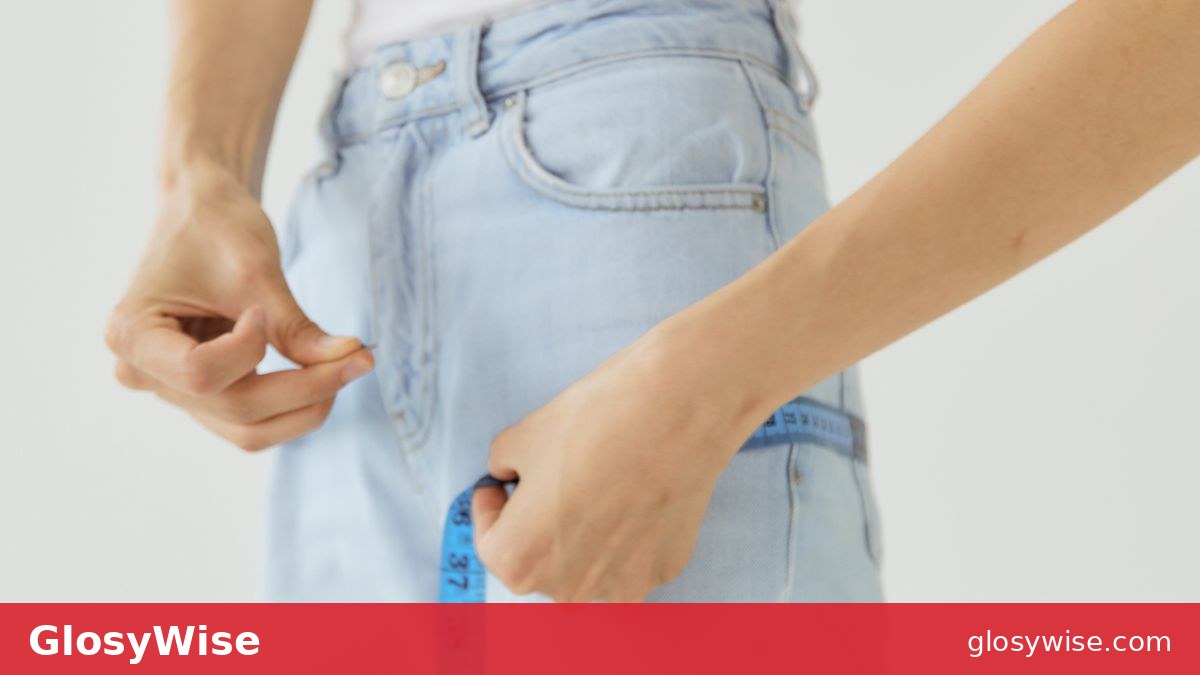
Measure twice and write both numbers down. A soft tape is best. A metal tape can bend and give a wrong number. Stand straight and breathe normally. Do not suck in your stomach. That step gives a false number. Measure in the morning if you can. Your body changes a little during the day. If you can, ask someone to help. A second pair of hands keeps the tape level. Re-measure if your weight changes. Your size can shift by one step. Keep your numbers in your phone. Then you can check any chart in seconds.
A clothing size chart for pants is a simple tool. It turns three numbers into a size that fits. Measure your waist, hips, and inseam. Match them to the brand’s chart. If you fall between sizes, size up. In short, measure with care and trust the chart, not the label number. Your pants will fit better, and you will return fewer pairs.
Conclusion
A clothing size chart for pants is a table that matches body measurements to pants sizes, and it should be used with your own measurements because a chart from one brand may not fit a product from another. Measure your waist at the narrowest point and your hips at the widest point, with your feet together, and measure the inseam from the crotch to the ankle and the outseam from the waist to the ankle. If your waist and hips fall in two sizes, or you are between sizes, choose the larger size, and check the return policy and try two sizes when you can. Measure over thin clothes with a soft tape, measure twice, and measure in the morning, and do not suck in your stomach, because your measurements should be the ones you can trust.
Frequently Asked Questions
What measurements do I need for pants?
You need your waist, hips, inseam, and outseam. Measure the waist at the narrowest part of your torso, the hips at the widest part with your feet together, the inseam from the crotch to the ankle, and the outseam from the waist to the ankle.
What does 32 x 30 mean on pants?
It means a 32-inch waist and a 30-inch inseam. Men’s pants labels show the waist first, then the inseam.
What should I do if I am between sizes?
Size up. If your waist and hips fall in two sizes, choose the larger size, and check the return policy and try two sizes when you can.
Are size charts the same for every brand?
No. Brands make their own charts, so a size 32 in one brand may fit like a size 34 in another, and countries use different systems too. Some brands use a standard called EN 13402, but not all brands use it, so always check the chart for the brand you buy.


[…] without pulling. If you are between sizes, size up for a relaxed look. For help with measuring, our clothing size chart shows how to measure for a good […]